

I like to think of healthy eating as simple but not easy. Intuitively, I think we all know roughly what foods we should primarily be eating and which ones are to be enjoyed occasionally. Why is it that a toddler lights up when looking at chocolate and refuses to eat his whole grains?
From a young age, we quickly find out that “healthy” food groups just don’t taste as good as the rest of the options, but it doesn't have to be this way.
When it comes to food, we have more options than ever in history. In that sense, it is the easiest time in human health history for healthy eating, but on the flipside, it is just as easy, if not easier, to eat unhealthily. I mean, can you imagine if President Taft had access to DoorDash? There’s no doubt he would have gotten stuck in more than one bathtub. So, we are faced with a daily choice to prioritize our health in a world that, at times, largely profits from our sickness.
Now, part of the problem with eating “healthy” is that motivation is at an all-time high for a week or two.
Then a vacation comes up or dinner with friends, and slowly you fall short on your super-strict health diet, motivation drops, and it is no longer worth it to try.
This cycle repeats year over year and is frustrating and inefficient.
Let’s take a different approach. Instead of overhauling every single thing and food groups you eat, let’s make small changes and build momentum slowly. If you are eating a double stack with fries every day for lunch, switching to a kale salad will not be sustainable.
We aren't going to get into the weeds here with things like saturated fat versus unsaturated fat, essential nutrients, blood sugar and the effect fruit juice has on it, fatty meats, whole wheat pasta versus brown rice versus white rice, processed meats, public health, and definitely not greenhouse gas emissions.
I mean that could fill (and has filled) multiple books.
So, instead, what I want to do is give you a few small changes you can make to your current eating. Don’t try all of them all at once. Pick 1-2. Get really good at those. Add another. Small changes = lasting results.
So, whether you are looking at healthy eating to finally get to that healthy body weight or are looking to clean up your diet to help with high blood pressure, heart disease, cardiovascular disease, or some other health metric, here are some general healthy eating tips that you may find helpful. Remember to consult with your doctor before making dietary changes.
Here we go.
Fruits and vegetables
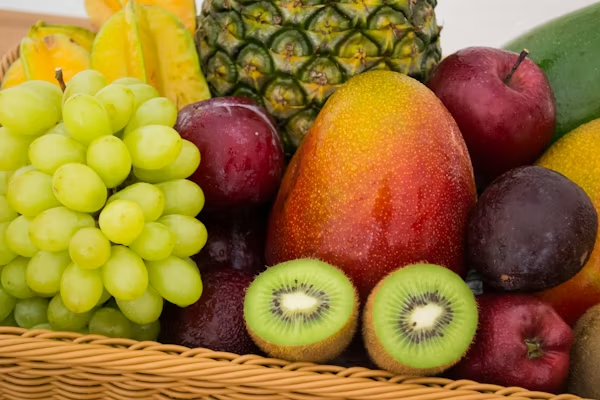
Fruits and vegetables are loaded with vitamins and minerals.
Not to mention, these nutritious foods are packed with fiber, with one benefit being that they help you to stay full for longer.
Now, what does eating more fruits and vegetables actually look like? There are a ton of theories and strategies on this singular question. However, in an effort to simplify things for you, I like to focus on frequency. I think a great starting point is eating fruit twice a day and vegetables two to three times a day. This could look like a banana with breakfast, an orange and carrots with lunch, and a salad with dinner. If that feels like a huge jump from where you are starting, start with one serving. The goal here is improvement from where you currently are.
So, when it comes to fruits and vegetables, another huge reason they are so good for us is that they allow us to eat more food without consuming a ton of calories. They are generally high-volume, low-calorie foods when compared to things like bread or sweets.
Here are a couple of helpful tips when shopping for fruits and vegetables:
#1) Buy frozen. Frozen fruits and vegetables are typically cheaper than fresh fruit and veggies and will last forever in your freezer. Frozen veggies are easy to throw in the oven or air fryer for dinner, and frozen fruit can be thawed or eaten frozen with yogurt, cottage cheese, or just by itself.
#2) Buy what’s on sale. Getting a wide variety of fruits and vegetables is ideal. However, it can be hard to mix it up. One trick is to go to the store with the goal of buying produce that is on sale. This ensures you will mix up your produce throughout the year and get a wide variety of fresh fruits and veggies.
Evaluate your condiments, drinks, and oils
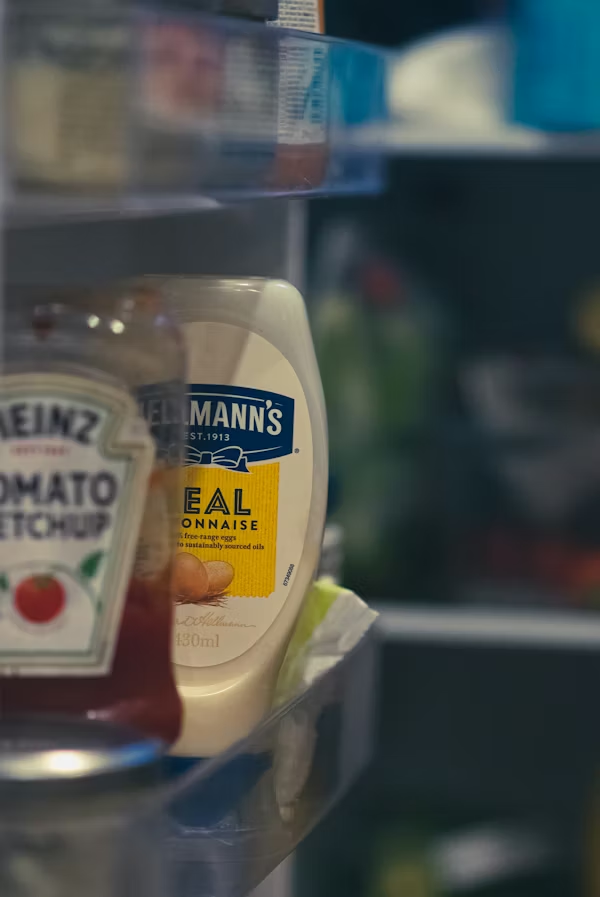
This is a common occurrence when it comes to trying to get better at healthy eating, especially if you are also tracking your calories.
One of the easiest places where high-calorie, non-nutrient-dense foods can sneak in is with your condiments, drinks, and cooking oils. Let’s say you make dinner - New York Strip, green beans, diced potatoes, and a side salad. This is a fantastic dinner! You’ve got protein, two types of veggies, and high-quality carbs.
Now, here’s where the condiments and oils can sneak in.
You can take the same meal, and if you are not careful, literally add an additional 400-600 calories with very little nutritional benefit, if any. Here’s how:
-
You sauteed the green beans in a large amount of cooking oil.
-
You added ketchup to the potatoes.
-
You added lots of ranch dressing and croutons to your salad.
Now, I’m not here to say these foods can't be apart of a healthy foods diet, but I imagine when you set out for some healthy eating at dinner, you may not have meant to end up this way. This is just one example of where additional calories can add up.
I won’t belabor the point, but another place I see excess calories consumed without realizing it is with drinks, particularly coffee.
Added sugars, syrups, foams, and toppings can really add up.
Cook your own food
Think back to the example above. Why do you add excess dressing to the salad, oil to the veggies, and ketchup to the potatoes? Because it tastes good!
Here’s the problem: Restaurants need customers. Great-tasting food brings customers. Now, of course, there are places trying to create healthier options, but generally, as you are trying to eat healthier, restaurants are not your friend.
Cooking your own food requires planning and time; however, like anything, you get better and better at it and better at cooking different foods. You will be able to incorporate higher-quality foods, more fruits and veggies, less oils and butters, and significantly less of the fake stuff. The health benefits of cooking your own food cannot be overstated.
Avoid ultra-processed food
When we talk about ultra-processed food, we are talking about food that no longer resembles food.
Think about it, what is a Cheeto? How about a Little Debbie Zebra Cake or Skittles? What are these foods even made of? If you had to explain to your great, great, great-grandpa what Lucky Charms are, where would you begin? I mean, at one point, prior to food production, Lucky Charms began with some whole grains, but the finished product lacks clear, distinctive food group origins. Now, don’t get me wrong, these foods can be delicious, but they are ultra-processed foods. Ultra-processed foods are going to hinder progress for two main reasons. First, they provide no nutritional value. There are no significant vitamins, minerals, protein, or fiber in these foods.
When we are talking about healthy eating, we want our food choices to supply us with the nutrients we need to feel good and move well.
Ultra-processed foods do neither. Second, they are incredibly calorically dense. Most of these foods are essentially comprised of some version of oils, sugar, and starch. These three ingredients create the most delicious and nutrient-lacking food we have.
One helpful tip for healthy eating here is to simply get rid of some, ideally all, of the ultra-processed food you have easy access to, whether that’s at home or work. There certainly can be a time and place for a sweet or salty treat, but treat is the key word here. Chips, candy, pre-packaged sweets, and other ultra-processed foods should be viewed as foods to eat occasionally, not everyday staples.
Eat protein
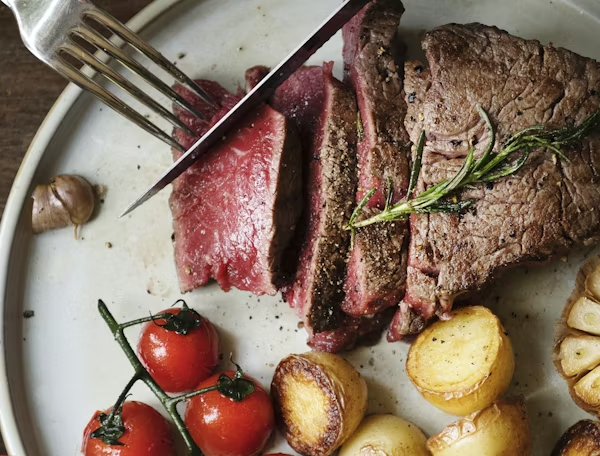
Protein is the driving macronutrient force behind muscle preservation and growth.
Add in some physical activity, specifically lifting weights, and protein becomes a super nutrient.
Protein helps keep you full, improves bodily function, and helps keep your bones healthy, among many other benefits. The problem is that many people don’t get enough. It can be really helpful to think about building your meals around protein.
For example, breakfast could include eggs, dairy foods like Greek yogurt or cottage cheese, or overnight oats with protein powder.
Lunch or dinner could include lean meats such as chicken, beef, fish, or even tofu. Animal-based proteins are going to be a more complete source of protein than plant-based proteins.
Once you have established your protein for the meal, then you can add some carbs (white or brown rice, potatoes, oats, toast, whole grains), dietary fats (nuts, avocados, olive oil), and of course, fruits and veggies.
This framework for healthy eating can be really helpful as you evaluate what you currently eat, with the goal of a balanced diet. Maybe a current go-to dinner is spaghetti. How could you add protein and some veggies? Maybe your favorite breakfast is a bowl of cereal and coffee with sugar and cream. How about adding a cup of Greek yogurt, trying the coffee with just cream, or opting for a low-sugar cereal?
The goal here for healthy eating is manageable, consistent habits, resulting in healthy eating patterns. Remember, change doesn’t happen overnight. Pick one thing above and get really good at it.
Your future self will thank you, whether you are aiming for a more balanced diet or hoping to combat the threat of future high blood pressure, heart disease, or chronic disease.