
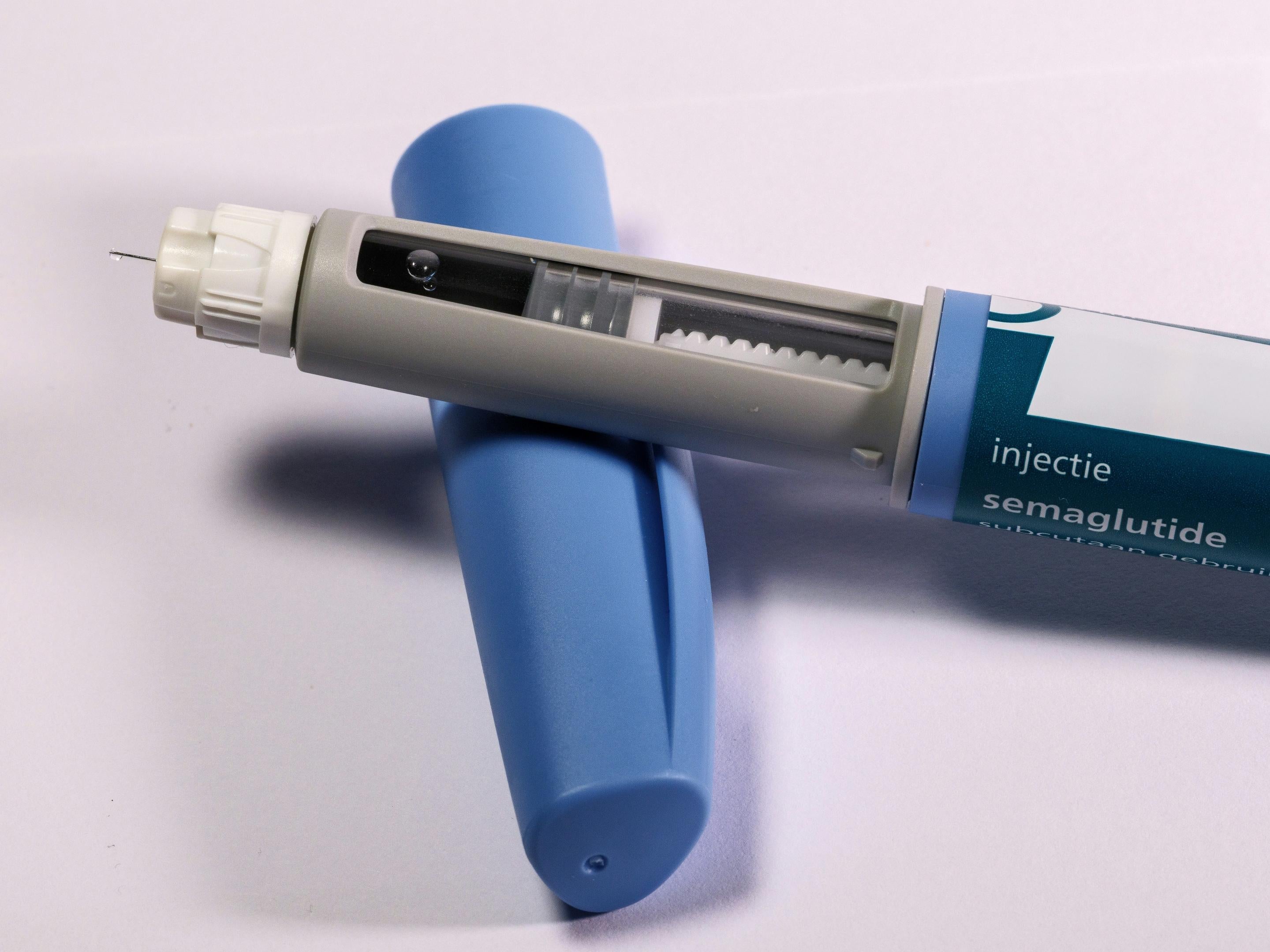
If you're like me, you’ve no doubt gone no more than a few minutes without seeing a GLP-1 agonist advertisement - whether it is on TV, a billboard, or while you are scrolling on your smartphone. The GLP-1 agonists craze really is just that - crazy.
I saw recently an article stating that 1 in 8 Americans is estimated to be on a GLP-1 agonist. One local restaurant even decided to implement a specific menu tailored to those using GLP-1 agonists, similar to the menus introduced for gluten, dairy, or keto. We’ll get to nutrition later on.
So with the rise of GLP-1 agonists, it’s important you have a better idea of what exactly they are, what they do, and what you should be aware of.
This guide is not meant to be medical advice, and please consult with a health care professional before making any decisions.
What are GLP-1 agonists?
GLP-1 is short for glucagon-like peptide-1 receptor agonists. Yeah, I think I'd go with GLP-1 too.
Essentially, this medication helps regulate your blood sugar and hunger levels by acting like a natural hormone.
The magic of GLP-1 agonists is that they help you feel full longer and slow the emptying of your stomach. They don’t directly impact your metabolic health or burn fat; they primarily just help you not eat as much. Additionally, they help your body release insulin to help lower blood sugar levels. There is a ton more to the science and the different types of GLP-1 agonists - but that’s a 40,000-foot overview.
Typically, GLP-1 agonists are most commonly in the form of injectable medications; however, GLP-1 agonists in pill form are becoming more common on the market. Both types have manufacturers that produce the drug as an FDA-approved product.
Why do people take GLP-1 agonists?
The simple answer is that they work.
GLP-1 agonists can lead to significant, sometimes rapid weight loss.
They can also help lower blood sugar and be a part of a diabetes care plan. Most insurances cover GLP-1 agonists for diabetes mellitus to help with lowering blood sugar.
In fact, one side effect is that some users have been reported to be “super responders,” meaning they lost so much weight it was viewed as a side effect, going much farther than supporting weight loss. Apart from bariatric surgery, this is one of the largest, if not the largest, advancements in the field of weight loss.
So, the appeal is certainly there. If weight loss is a goal of an individual, this injection or pill can certainly help. However, there is more here.
Oftentimes, those who take GLP-1 drugs fall into one of two categories.
The first category is those who have been struggling with weight management for a long time. They’ve tried exercise, diets, and everything in between. GLP-1 agonists for this group are somewhat of a last resort. The second category is those who are looking for a quick fix, an easy way to lose weight.
There are also other key benefits to taking GLP-1 agonists, including decreasing your cardiovascular risk, helping improve sleep apnea and fatty liver disease. It is important to note that many of these benefits are also seen with weight loss and fat loss.
What are the side effects, both short and long-term?
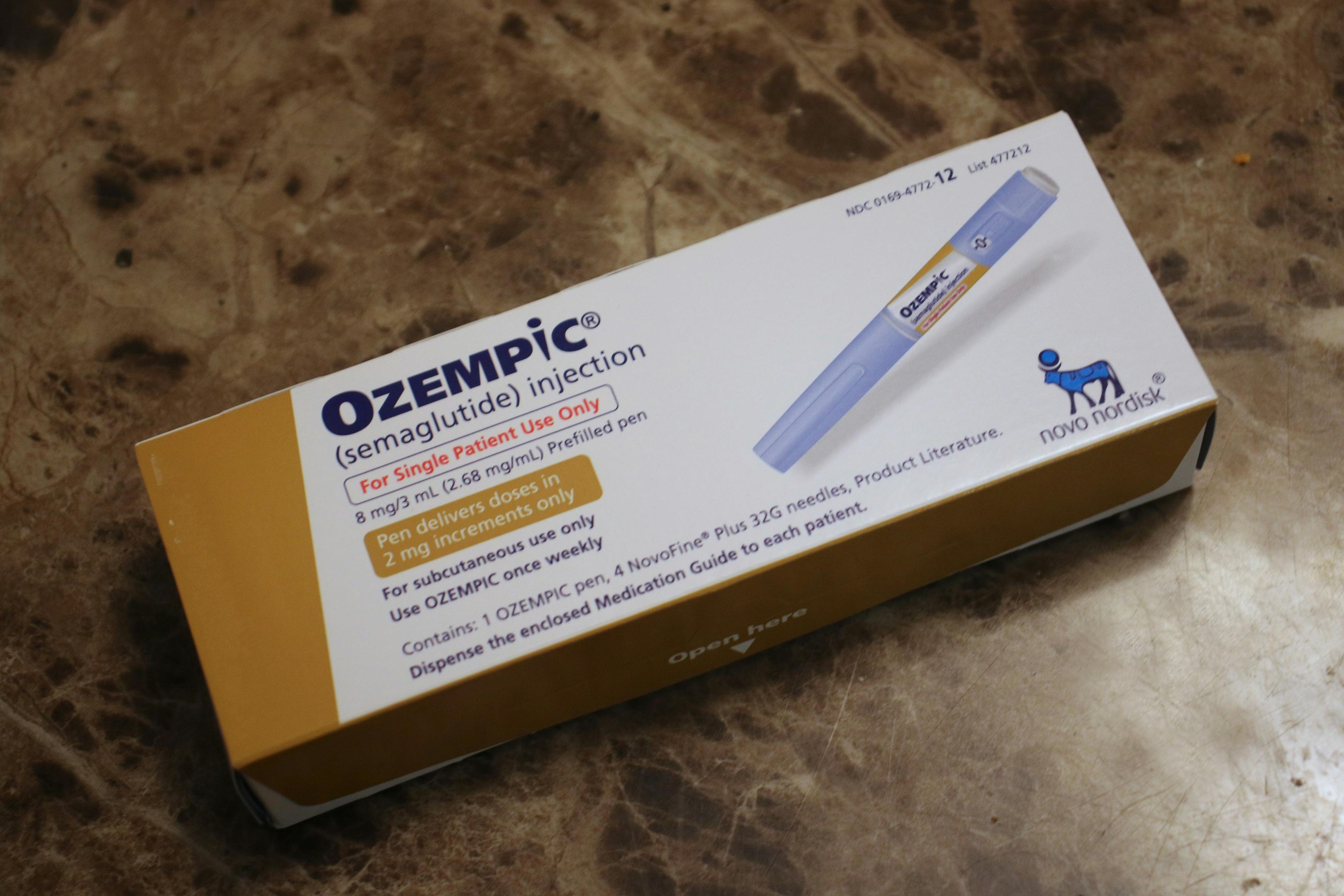
When looking at any drug, you’ve got to consider the side effects. If you're any bit like me, I always get a laugh out of the ads on TV. I mean, who knew you could take a pill to help your skin rash and risk nausea, depression, and a heart attack? I mean, that’s no doubt a great trade!
Some of the short-term side effects include “nausea, vomiting, diarrhea, and constipation. Other side effects can include dizziness, headache, and increased heart rate.” (NAM) All things considered, these sound just like the TV ads' list of side effects.
Now, it’s important we consider not only the short-term but the long-term possible adverse events here as well.
Long-term, we only know so much.
So far, there aren’t a lot of long-term known side effects. A large reason for this is that the widespread use of GLP-1 agonists has really only picked up in the last couple of years. So, unfortunately, some of this is a wait-and-see game.
Now, one thing we do know is that if GLP-1 agonist use is discontinued, the individual has a large likelihood of regaining the previously lost weight back. This leads many people to have to look at taking GLP-1 agonists for the foreseeable future, and for many people, for life. This is again where the unknown of GLP-1 agonists comes in. We don’t fully know what will happen if use is continued for life. And, unfortunately, when you commit to starting a GLP-1, you may be signing up for life.
Another huge side effect to consider is muscle loss. Now this one has multiple layers, so stick with me here.
Essentially, any time people lose weight, it is some combination of fat and muscle.
Of course, in an ideal world, you would lose 10 pounds, and it would be 10 pounds of fat. Unfortunately, life doesn’t work quite like that. On the flip side, it would be awesome if you started lifting weights and gained 10 pounds of pure muscle. Unless you are a skinny 15-year-old, again, this is highly unlikely. 99% of the time, it is some combination of muscle and fat loss or gain when your weight shifts long-term. Short-term weight loss is often made up of water weight.
So let’s imagine you are looking at a weight loss plan. Now, first off, it’s helpful to kind of clarify our terms here. You aren’t looking at weight loss, but instead, you are looking to lose fat. No one wants to lose muscle - especially in their biceps.
In general, the slower you go with weight loss, the higher the likelihood you will maintain most of your muscle and maximize fat loss. But, by going slower, that number on the scale won’t move nearly as fast as it could. So let’s say you are the tortoise and your buddy is the hare.
You, as the tortoise, decide to go in a slight caloric deficit of 300 calories a day. Your buddy, the hare, decides to go into a deficit of 1000 calories a day. You both continue to lift weights and do other forms of resistance training (critical when trying to preserve muscle mass and lose fat).
Here’s what’ll likely happen. In month 1, you’ll see small changes, but your buddy will start to see huge changes. His scale will be down more than yours, he’ll feel like he’s working harder, etc. However, once we get to month 3, 4, or even 5. You are dialed in. You are starting to see real progress with minimal muscle mass loss. The scale has made a sizeable jump from just a few months ago. Your buddy at this point, if he’s been able to hang on, will have lost many pounds; however, his ratio of muscle lost to fat lost will be much higher than yours.
Now, of course, there is a place for a larger caloric deficit than 300 calories, but in general, 300-500 is a great place to start.
Okay, my point here. When you try to lose weight fast, whether through GLP-1 agonists, restrictive diets, or insane exercise, you are much more likely to lose larger amounts of muscle mass than you would if you took it slower.
Maybe this doesn’t seem like a big deal, but your muscle mass is one of the most important markers for the quality of your life. Muscle is what drives movement, and movement is what drives your life. Muscle is also costly to build back. It takes time, energy, and at some point, you’ll never be able to get it all back, especially as you age.
So, one of the biggest issues with GLP-1 agonists is that they allow for quick weight loss. Now, while that may sound like a great thing, I mean, isn’t that the goal? By now, hopefully, you know that comes with some significant problems.
While there is a lot going on when using a GLP-1, one effect is the reduced hunger, essentially putting you in an increased caloric deficit - more similar to the example above when your buddy was in the 1000-calorie deficit.
Now, there are a couple of ways to mitigate the risk of losing muscle mass when using a GLP-1 agonist. This will in no way eliminate the risks of losing a large amount of muscle, but there has been some evidence that it helps. So, if you are dead set on a GLP-1 agonist, please consider the following two things as you begin using the medication.
Considerations when taking a GLP-1 agonist
When looking at weight loss, whether through a GLP-1 agonist or other method, there are two key components you need to be sure to incorporate in your journey.
Let’s look at the first one.
Protein
In order to minimize muscle loss in your weight loss journey, you need to incorporate a high-protein diet. By high protein, we are talking probably somewhere between 0.7 and 1 gram per pound of body weight. So if you weigh 200 pounds, you would be looking at somewhere between 140 and 200 grams of protein per day.
Now, how can you actually do this? And what types of foods should you eat?
Getting enough protein shouldn’t be overcomplicated. It is important to note here that even if you are looking to diet your way down a couple of pounds of fatty tissue, you also need to prioritize protein. So, some really common sources of protein you can go with include: beef, chicken, eggs, fish, and dairy. Animal-based protein sources are the most complete, meaning they contain a full amino acid profile. Other sources of protein include nuts, seeds, vegetables, and soy.
A really good way to think about protein is to make it the center of every meal. For instance, breakfast is Greek yogurt, lunch is grilled chicken, and dinner is fish. Now, this is not the whole meal, but your Greek yogurt can be paired with fruit and granola, your grilled chicken could be on a salad, and your dinner could be fish, vegetables, rice, or a potato. For snacks, you could include a protein shake, beef jerky, or some trail mix.
With these foods, you can easily hit your protein goal; simply adjust the portion if you need more or less.
Resistance Training

The second thing that has to be a part of your routine when looking at weight loss is resistance training. Resistance training, meaning lifting weights or using machines, is critical to preserving muscle mass on your weight loss journey. As mentioned before, muscle is one of the first things to go when losing weight - it’s a little bit of a use it or lose it principle. If you lose weight and aren’t requiring your body to use its muscle mass, well, muscle mass is often the first to go - it's really unfortunate, you’d hope it was that stubborn fat, but no.
So, if you are considering a GLP-1 agonist, please be sure to include it as well.
Resistance training, similar to protein, doesn’t have to be complicated. You want to lift weights between about 3 and 5 days per week. If you’ve only got 3 days, you may want to look at more of a full-body routine. Here’s an example of Day 1:
Day 1:
Back Squat
Strict Press
Lat Pulldown
RDLs
If you have closer to 5 days, you can break up the full body days into upper body and lower body, or you could even do something like push, pull, legs, upper, and lower. There are tons of options here.
When choosing exercises, you want to think of exercises that target a lot of muscles (i.e., compound lifts). Some examples of these exercises include squats, bench presses, rows, lunges, deadlifts, farmer’s carries, and pull-ups. You want to push the exercises so that you have between 3 and 0 reps left in the tank. The greater the intensity of the lifts, generally, the less frequently you need to train and the fewer sets you need to perform (i.e., as intensity goes up, volume can go down).
The point of this article is not to fully dive into protein and resistance training, but instead to provide you with some guiding principles. No matter your health condition, both prioritizing protein and resistance training will serve you well.
GLP-1 agonists are powerful.
They should only be used with careful consideration with a healthcare provider, and hopefully, after you have given a genuine try towards diet and exercise, a proven solution for so many people with essentially no long-term side effects.
If you do decide to use GLP-1 agonists, whether to lower blood sugar or as a part of a weight loss plan, please make sure to include protein and resistance training as a part of your routine to minimize muscle loss.
It can be confusing navigating GLP-1s.
From lowering blood sugar to the American Diabetes Association, diabetes mellitus to FDA-approved, medullary thyroid cancer to kidney disease, glycemic treatment to underlying health conditions, clinical trials to multiple endocrine neoplasia, however, navigating it with a trusted health care provider is key.
Sources
Almandoz, Jaime, and Tracy Zvenyach. “GLP-1 Key Facts.” National Academy of Medicine, 20 January 2026, https://nam.edu/product/health-basics-glp-1s/.
Farmer, Leigh. “How to maintain weight loss from a GLP-1.” VCU Health, 3 December 2025, https://www.vcuhealth.org/news/how-to-maintain-weight-loss-from-a-glp-1/.
Krueger, Sarah. “'It's a tidal wave:' As GLP-1 use surges, Raleigh restaurant owner amends menu.” WRAL, 4 May 2026, https://www.wral.com/news/local/glp1-use-changing-restaurant-menus-wral-investigates-may-2026/.
“Preserving Lean Body Mass in Patients Taking GLP-1 for Weight Loss.” Advances in Motion, 6 June 2025, https://advances.massgeneral.org/endocrinology/article.aspx?id=1601.