

Home gyms are great. I mean, you can’t beat the convenience, the space all to yourself, and picking whatever music you like, played as loud as you like (as long as your spouse puts up with it, of course). There are some real benefits to having a home or garage gym; however, there is also nothing worse than a home or garage gym in the winter without proper heat.
Picture this, it’s January. You live in a moderate climate state - let’s say our home state of North Carolina. If you know anything about North Carolina, it could be 50 degrees or 20 degrees on any January morning, but let’s go on the colder side. You walk to your garage, and you are already freezing. The cold, concrete slab known as your garage floor, the icy barbell, frigid training equipment, and your snow boots are getting in the way of your workout. You might as well be going ice fishing. Okay, maybe not the snow boots and ice fishing in North Carolina is improbable. Anyways, the point is that a cold workout is hard. And not even in a, “You're being soft and can’t work hard, hard.” No, just difficult. Your warm-up takes twice as long, and you are still cold. Your hands hurt gripping the barbell. Sure, it can be done, but why make training harder than it has to be?
So today, we want to look at ways to keep your garage gym warm so that you can train hard, get a good warm-up in, and consistently show up multiple days a week to get better, all in the peace and tranquility of your garage gym.
Let’s begin by looking at some options to heat your home or garage gym and get that warm air flowing.
Different Types of Heaters

#1) Propane Heaters
These heaters are very effective at producing large amounts of heat for your garage. These are the types of heaters you often see versions of on patios, at restaurants, sporting events, etc. - places where blowing hot air is needed. Now, all of the places mentioned are all outdoors, and there is generally a reason for that. These heaters typically need proper ventilation.
As you may have guessed, these heaters use propane tanks as the fuel source, and most produce carbon monoxide, so using them inside a garage or basement without any ventilation is not a great idea.
You may be thinking, “Well, if I provide ventilation, doesn’t that mean I have to let cold air in?” Yes, pretty much.
Now, some of these heaters are made for indoor use, but make sure you have a plan for safe use if you choose this type of heater. A carbon monoxide alarm is a great idea (if you don’t already have one). One of the biggest benefits of the propane heater is the heat produced relative to the cost; you are probably looking at around $100 to $300, but you do have to be careful when dealing with propane. Also, many of these units can be remote controlled.
It's also worth noting that some propane heaters can also be fueled and used as natural gas heaters; you just need a gas line.
#2) Mini Split Ductless Unit
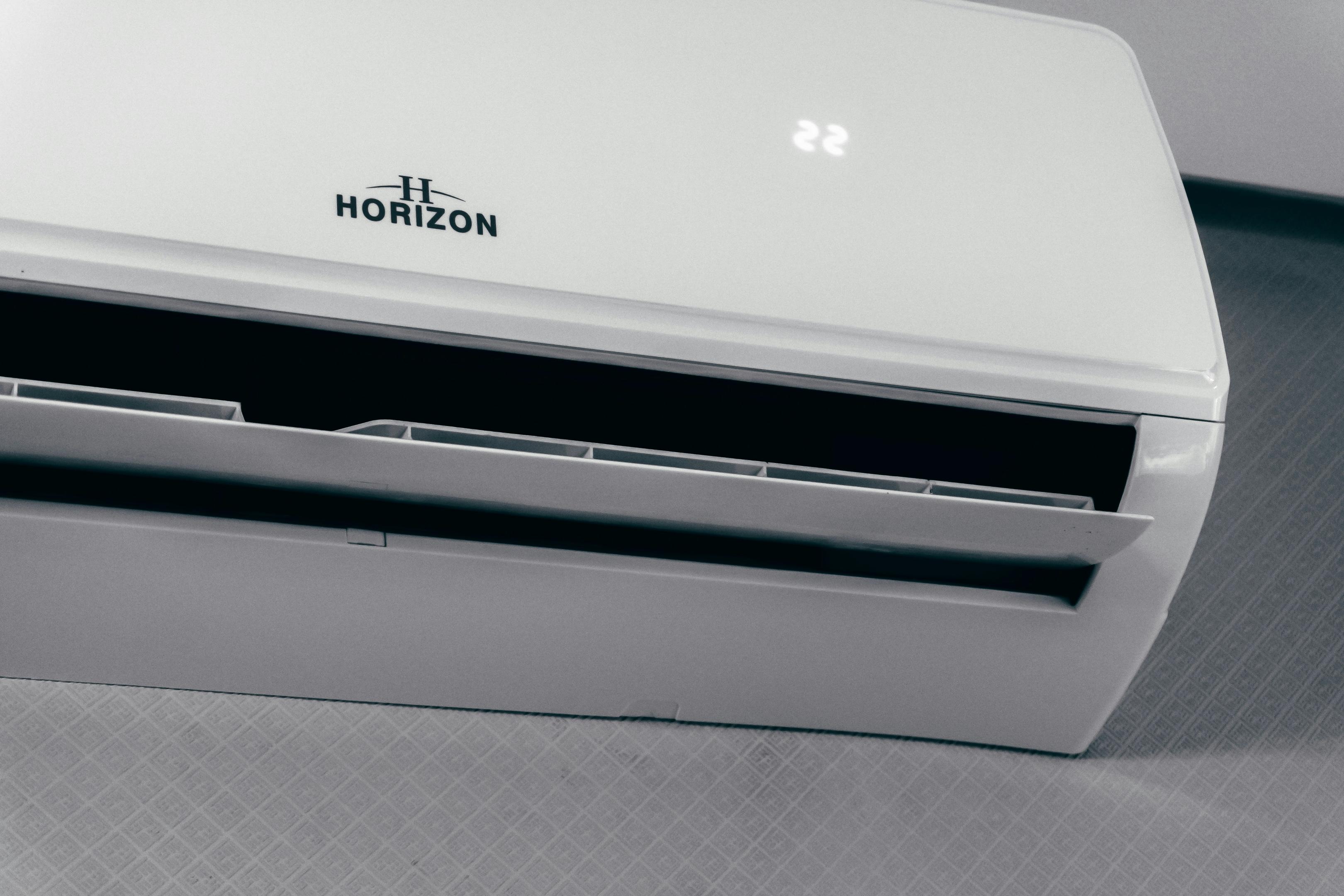
This is the best of the best for your freezing home or garage gym.
A mini split ductless unit allows for both heating and cooling in your garage space. It is a standalone unit that is not connected to your current HVAC system.
This unit is controlled by remote control, and with some units, even Wifi.
The remote control/Wifi combo makes it really easy to heat and cool your home or garage gym, even if you aren’t home (or if you just rolled out of bed and want the remote control/Wifi combo to warm your garage gym by the time you finish your morning coffee).
A mini split ductless system is typically mounted to the wall for your out-of-the-way heating and cooling needs. The really nice thing here is that, in a state like North Carolina, you find out very quickly that while you really need heat in the winter, you definitely need some sort of cool air solution in the summer. So this all-in-one system is a huge help in the heat and cold.
The downside to the system is that it is quite pricey and often needs professional installation. We are talking around $2000 to $3000 or so without installation costs.
#3) Electric Heaters
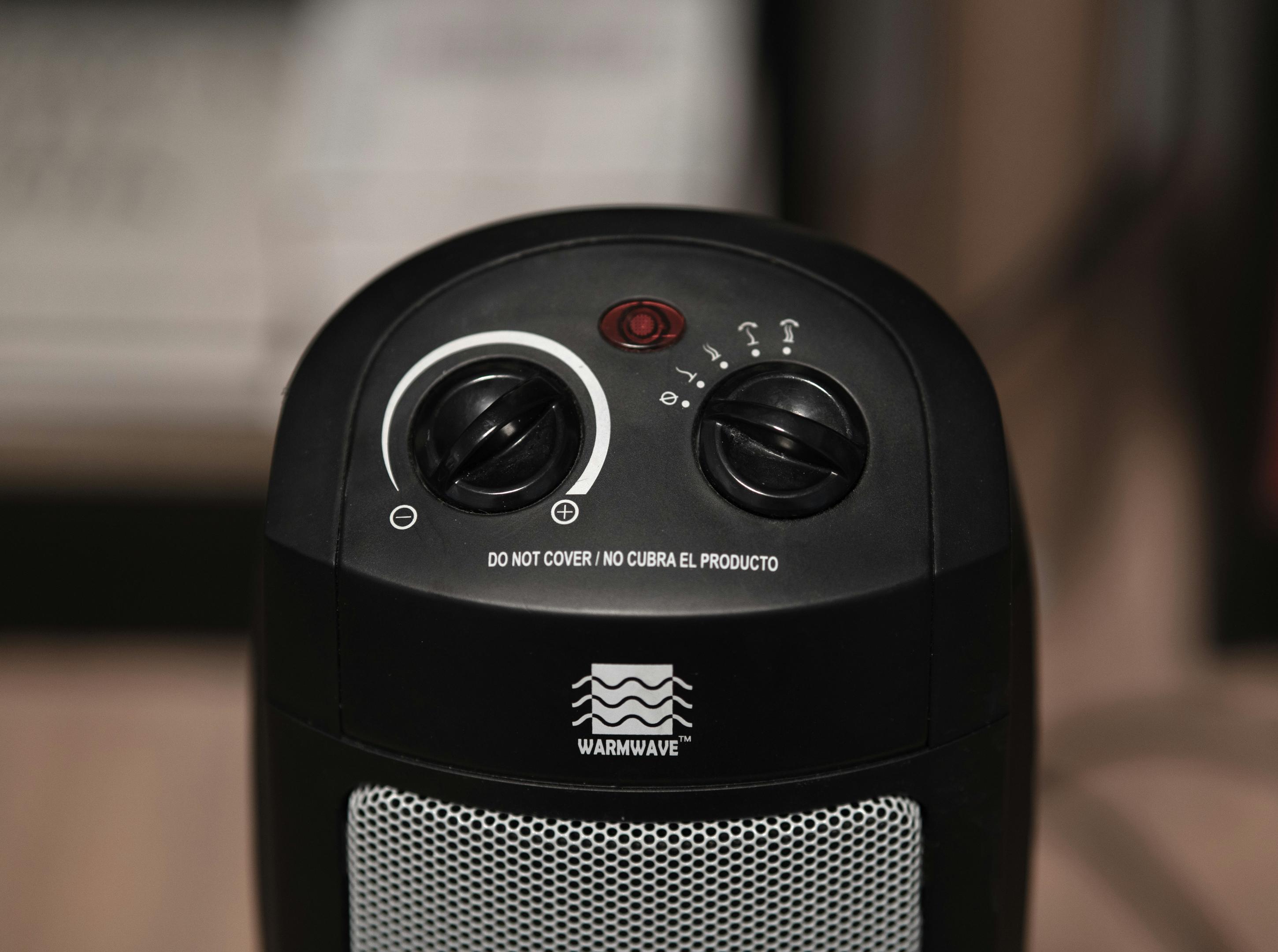
Electric heaters (most commonly radiant heaters) are plug-and-play.
We’ll lump in all types of electric heaters here - so infrared, ceramic, radiant heaters, etc.
Simply select one that will fit your space and needs and go for it. Electric heaters (like radiant heaters) are generally units that sit on the floor, which makes it nice if you want to move it closer to your squat rack or warm-up area. The downside of that, though, is that it takes up more floor space. There are electric heaters you can mount on the wall, although they are less common.
Now, the benefits of electric heaters are two-fold: the cost and the safety. First, the cost. Most electric heaters are around $100, with a few higher-end models closer to $300. The pricing lines up similarly with propane heaters, and obviously, it is much cheaper than the mini split ductless unit. For this reason, it doesn’t make a lot of sense to compare it to the mini split ductless unit, but when compared to the propane heater, you could argue that, in general, electric heaters are safer in that you don’t have to worry about carbon monoxide or any other propane concerns. Now, on the flipside, generally, propane heaters are better at heating a room. So there is certainly a trade-off.
These units are often remote controlled.
#4) Turn on the Heat
I'm only joking, and hopefully this one is obvious, but if your home gym is a bedroom in your house, turn on the heat. When using the term “home gym,” here we normally are referring to gyms in a spare bedroom, garage, detached garage, shed, barn, or basement.
So, needless to say, if your space has heat, just turn it on.
Now, let’s talk insulation.
Insulation
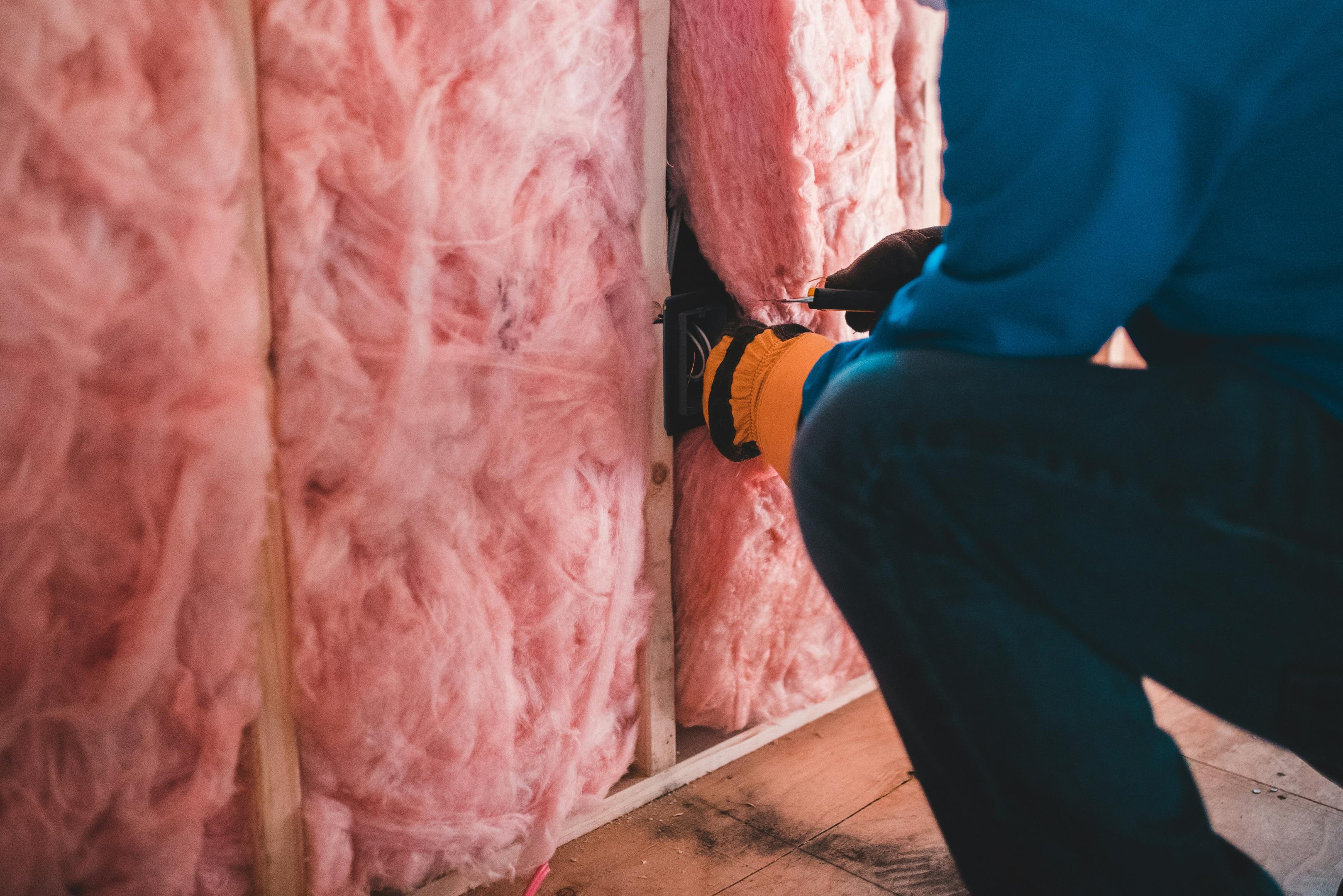
Typically, most garages are not insulated. This means that whatever heat is produced through your heater or heating system does not stay as long as it would inside your home.
Because most garages are not insulated, you would likely need to insulate yours if you are worried about heat loss. Now, insulating your garage is typically a pretty big task. Essentially, you are trying to trap in all possible heat or cooling (in the summer) and minimize any leaks. So, where could your heat leak out at?
If you want proper insulation in your garage, you would need to insulate the walls, the ceiling, and even the garage door.
That’s right, your garage door could be letting out all that precious heat.
In addition, you would want to check your seals on doors and garage doors to prevent leakage that way as well.
Now, we did cover the sides, ceiling, and garage doors of the garage, but what about the floor? Well, trying to train while bouncing on insulation may not be the best idea; I mean, who would even need a Bosu ball or balance trainer at that point? However, you can still “insulate” your floors by covering them in rubber flooring. There is a WORLD of difference between the temperature of a concrete slab and the temperature of rubber gym flooring.
Rubber gym flooring not only helps retain heat in your garage gym, but it also protects you and your floors. It protects you by providing a stable footing and a slightly more responsive surface than concrete. It also protects your flooring from dropped plates, barbells, and general garage gym use. Rubber gym flooring should be one of the first purchases you make when building a garage gym.
What Type of Gym Flooring Material Do I Need for My Workout Space?
Insulating your garage can be done as a DIY project, but if you don’t have experience, it may be worth reaching out to a local expert or contractor. Insulating your garage could also help lower your energy bills throughout the year and make your home more energy efficient, so there’s a plus as well.
So, what's the best home gym heater for you?
Where you go from here is entirely up to you; however, I will offer a few suggestions for your garage gym.
First, consider where you live. If you live in a moderate climate, where the coldest winters are in the 50s, that’s a whole different story than training multiple months in the early morning teens.
So, for someone in the Southeast, sure, it gets cold, but honestly, even without insulation, your garage is going to be warmer than outside. You also need to consider that training temperature and a comfortable temperature to sit on the couch are wildly different, especially when your heart rate is high. Personally, once I’m warmed up, training in the 50s and 60s is ideal - maybe even the 40s with the right clothing.
The point here is not that you shouldn’t insulate your garage gym or buy a mini split ductless system. The point here is that you should move slowly and try playing with a few factors before you drop thousands of dollars on a perfect, climate-controlled garage gym. There is an element of ruggedness I think a home or garage gym deserves to keep.
Now, this all changes if you live in Vermont, North Dakota, Minnesota, or any number of other states. There is no doubt a point where training is near impossible due to the weather. In these cases, it probably is a good idea to insulate your gym and invest in the best heating you can if that is the difference between training and not training.
However, for most people, I think a great place to start is with either an electric heater or a propane space heater, depending on your comfort level with propane.
If your garage gym is currently freezing, start there, see if that helps.
That is a quick and relatively cheap fix that may be all that you need. Then down the road, if you want to upgrade, have at it. I just don’t want you to walk away thinking you either need to spend thousands of dollars or shiver in the cold all winter (or worse, stay in bed and sleep through your gym alarm).
The reality is that for training in the cold, your primary goal is to get blood flowing at the beginning. For most people training, your heart rate, and effort will continue to provide body heat and warmth as you train, unless, of course, you are a powerlifter, those 10-minute breaks between sets might have you needing to warm up all over again. That's a real example of being energy efficient.
I’m just joking, powerlifters, please don’t beat me up.
But the point remains, once your core temperature is raised and you start sweating, you can withstand much colder temperatures, and you probably will actually feel good in the room.
Another strategy is to get that blood flowing inside your home before you enter the door of your garage gym.
If you can do your warm-up in your living room or other heated space and get a good sweat going, once you head to your garage gym (with an electric heater or propane space heater), you may find you are good to go.
Couple that with dressing appropriately, and you may find you get too warm.
Now, what are some strategies for dressing appropriately?
Hoodies and sweatpants are awesome. The gym I go to has an outside equipment area, and in colder months, I’ve found that training in sweatpants actually makes my squats feel a little bit better; it keeps some extra warmth around my knees. The great thing is that you can warm up in extra layers and, as you progress, get rid of a layer or two to stay comfortable. Also, things like base layers (designed for camping and hiking) can do a great job of keeping you extra warm. Beanies and cold-weather socks can be great too.
Now, could you skip all of this and go straight to spending the money on a great insulated garage gym, with heating and cooling? Of course. However, I think most people reading this will find that with a little bit of effort and an electric or propane space heater, you will be just fine (and save quite a bit of money on your heat source).
That would be my first recommendation. If you find out that didn’t do the job, then look at some more serious upgrades to your garage gym.
Additionally, the size of your garage matters.
A small garage and a good heater are a great combo for the winter cold air.
So, especially if you have a small garage or small space, don't rush into a fancy system when a good propane or electric space heater would do the trick. On the other hand, if you are looking at a large space like a barn or a large detached garage, you may have to put more work in (insulation, mini split ductless unit, etc.).
At the end of the day, start small and see what works. The hard thing here is that Florida's winter is different from Arizona's, which is different from Michigan's. Each climate has its own needs when it comes to heating, so start small and keep upgrading until you find what works for you.
Sources
Alexander, Kathryn. “How to Heat a Garage Gym: The Best Tips and Equipment.” Kathryn Alexander, 11 December 2024, https://www.kathrynalexander.com/how-to-heat-a-garage-gym/.