Most gym builders spend a significant amount of time researching equipment and very little time researching flooring. That pattern reverses quickly after the first dropped dumbbell, the first vibration complaint from a downstairs neighbor, or the first piece of equipment that shifts mid-set because the surface underneath it is not stable. Flooring is not an afterthought in a well-built gym. It is a foundational decision that affects every session that happens on top of it.
Hammer Clad rubber flooring is what we stock and recommend at Freedom Fitness Equipment, and there are specific reasons for that. Here is what sets it apart and what makes it the right choice for home gyms, commercial facilities, and everything in between.
What Makes Hammer Clad Different From the Alternatives
The flooring market is full of options at a wide range of price points. Budget rubber tiles and generic rubber rolls are easy to find. What is harder to find is flooring that combines genuine material quality, responsible sourcing, and clean indoor air standards.
Hammer Clad rubber flooring is manufactured from USA-sourced rubber materials and carries a Clean Air GOLD certification. That certification is not cosmetic. It means the flooring has been tested and confirmed to meet strict indoor air quality standards, which matters in enclosed training environments where you are breathing the air in proximity to the floor for extended periods. Low-grade rubber flooring off-gasses volatile compounds that affect air quality over time. Poly-encapsulated recycled rubber, which is what Hammer Clad uses, significantly reduces or eliminates that issue.
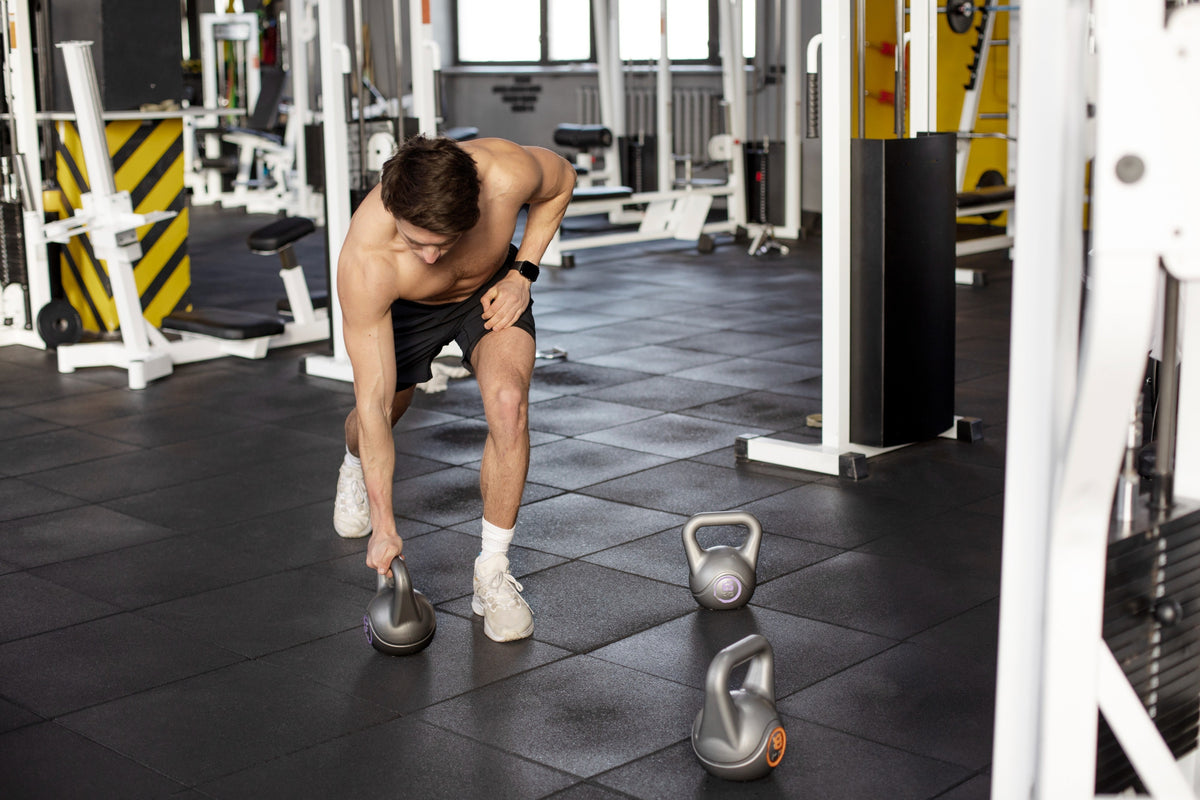
The construction is built for real training loads. Dropped bumper plates, heavy equipment feet, repeated impact from barbell work, and the daily wear of a high-traffic training floor are all handled without the compression, cracking, or surface degradation that cheaper flooring develops quickly.
Hammer Clad Gym Flooring Options and What Each Suits
The Hammer Clad gym flooring lineup covers several formats and thicknesses, each suited to specific training environments:
- 8mm and ¼-inch tiles work well for cardio equipment, light machines, and zones with minimal impact. These are the right choice for areas where the primary concern is equipment stability and floor protection rather than impact absorption from drops.
- 3/8-inch tiles are the most versatile option in the lineup. They handle home gym strength training, moderate drops, and machine-based use without being over-specified for the application. Most home gym builders find that 3/8 inch Hammer Clad gym flooring covers the majority of their training zones effectively.
- ½-inch tiles are the right call for general strength training environments with regular dropping. Weight rooms, functional training areas, and spaces where barbells are used daily fit this category.
- 18mm tiles are designed for heavy barbell environments with frequent drops. Powerlifting platforms, Olympic lifting zones, and commercial weight rooms with high daily volume are where the extra thickness earns its place.
The lineup also includes rolled rubber flooring for large commercial installations where a seamless finish across the entire floor is the priority, and custom logo tiles for facilities that want branded flooring.
Why the Thickness Decision Matters
One of the most common flooring mistakes is under-specifying thickness for the training that will actually happen in the space. A 3/8-inch tile in an area where bumper plates are being dropped from overhead is not the right match. An 18mm tile in a cardio-only zone is over-specified and more expensive than necessary.
Match the thickness to the training. Use thinner tiles in lower-impact zones and reserve the heavier options for areas where the floor is being challenged by real drops and heavy loading. Browse the full range of interlocking rubber tiles to compare thicknesses and color options available in the Hammer Clad lineup.
Commercial Bulk Orders and Custom Options
For commercial facilities outfitting a full floor, we offer bulk pricing and custom quote options on Hammer Clad rubber flooring orders. The interlocking tile format is practical for facilities that need to configure the floor around fixed equipment, while rolled flooring is better suited to large open training areas where a seamless surface is the priority.
Custom logo tiles are also available for facilities that want branded flooring baked into the training space. If you are planning a full facility build or a significant renovation, our gym planning consultation covers flooring as part of the broader space planning process.
Hammer Clad gym flooring is not the cheapest option in the market. It is the right option for training environments where the floor needs to perform reliably over years of real use. That distinction matters more than the upfront price difference when you are making a decision you will live with every training session.