Most gym builds follow a predictable pattern. Rack, barbell, bench, plates, some cardio. That setup works well for general fitness, and there is nothing wrong with it. But if you are building a facility for athletes, competitive lifters, or anyone training with real intent, two pieces of equipment tend to separate a serious setup from a generic one: the GHD machine and the Rogue Echo Bike.
Neither one makes the shortlist for beginner gym packages. Both require a learning curve. Both take up real floor space and carry a price tag that reflects what they can do. But for the athletes who train on them consistently, they are not luxury items. They are staples.
What a GHD Machine Actually Develops
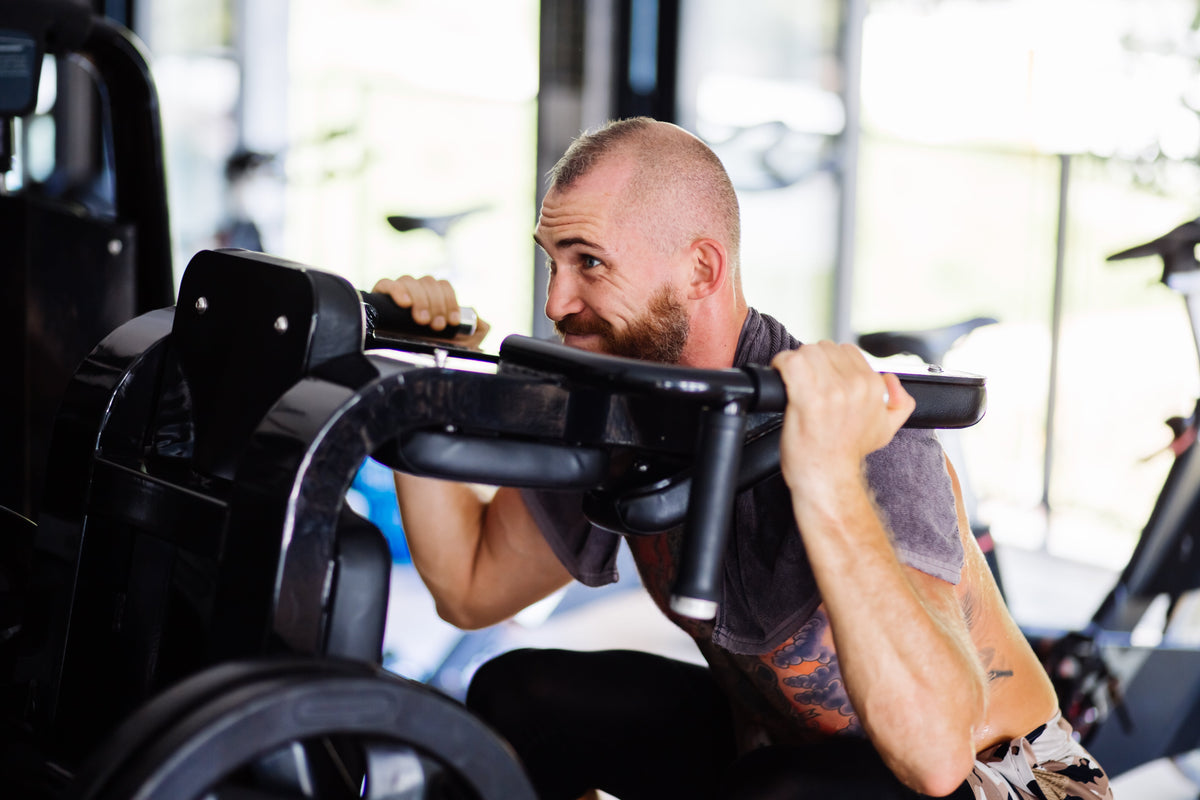
The glute-ham developer gets misread as a lower-body isolation tool. It is more accurate to call it a posterior chain developer. When used correctly, the GHD machine trains the glutes, hamstrings, and spinal erectors together, the way they actually function during athletic movement.
Glute-ham raises build eccentric hamstring strength that single-leg curls may not replicate. Back extensions and reverse hyperextensions performed on the GHD load the posterior chain through a full range of motion. Hip flexor stretches and weighted sit-up variations add anterior core work without a single crunch.
For powerlifters, the GHD addresses the posterior chain weaknesses that stall a squat or deadlift before the lifter even realizes the problem. For sport athletes, the eccentric hamstring loading is directly relevant to sprint mechanics and injury prevention. For coaches running group programming, it is one of the most versatile pieces of equipment in the room, capable of supporting multiple training objectives on the same unit.
The Rage Fitness GHD carries that full range of function and is built to handle consistent, high-volume use. If your facility runs athletes through daily training or multiple sessions per week, the durability and adjustability of a quality glute-ham developer matters more than most buyers anticipate upfront. Browse our full strength equipment collection to see what else pairs well with a GHD in a performance-focused setup.
What the Rogue Echo Bike Brings to a Facility
There are dozens of cardio machines on the market. The Rogue Echo Bike occupies a specific niche in a serious training environment for a few clear reasons.
Air resistance is self-regulating. The harder an athlete pushes, the harder the machine pushes back. There is no cap, no preset level, no ceiling on output. That makes the Echo Bike genuinely scalable from recovery-pace work to maximum-effort sprint intervals without any adjustment between efforts.
The dual-arm handles engage the upper body simultaneously with the legs, making it a true full-body conditioning tool. A ten-second sprint on an Echo Bike is a different physiological event than a ten-second sprint on a stationary bike. Heart rate response, muscular demand, and overall metabolic load are all higher when the arms are working too.
For facilities that program conditioning alongside strength work, the Rogue Echo Bike delivers consistent, measurable output that athletes can track, compare, and compete against. Calorie-based intervals, time trials, and AMRAP-style conditioning work are all straightforward to program and quantify on this machine.
The wind guard version reduces noise output without altering the ride mechanics, which matters in facilities with shared walls, early morning hours, or a preference for a quieter training environment.
Why These Two Pieces Work Well Together
A GHD machine and a Rogue Echo Bike cover two areas that most standard gym equipment does not address directly: posterior chain development under athletic load and full-body conditioning without mechanical resistance limits.
When both are in the room, programming becomes significantly more flexible. A coach can pair GHD work with bike conditioning in the same session, using one to reinforce the other. Athletes can move between strength and conditioning work without leaving a dedicated zone. Recovery sessions on the bike can follow heavier GHD loading earlier in the week.
More practically, both pieces of equipment hold up under real training volume. These are not machines that need to be babied. They are built for facilities where athletes show up, train hard, and repeat that five or six days a week.
What to Know Before You Buy
Floor space and flooring surface are worth planning before either unit arrives. The GHD requires clear space behind and below the unit for the movement range. The Echo Bike needs stable, non-slip footing during high-effort intervals. Rubber flooring rated for gym use, with appropriate thickness for your training activities, protects both the equipment and the subfloor underneath.
At Freedom Fitness Equipment, we carry both units and can help you plan your equipment layout before anything ships. Whether you are building out a commercial facility or a high-performance home gym, we work through the details with you upfront so the equipment lands in the right place and performs the way you need it to.
If you are putting together a serious training environment and want to know what else belongs in it alongside these two units, our gym planning team is available to walk through it with you. Financing options are also available for larger purchases.